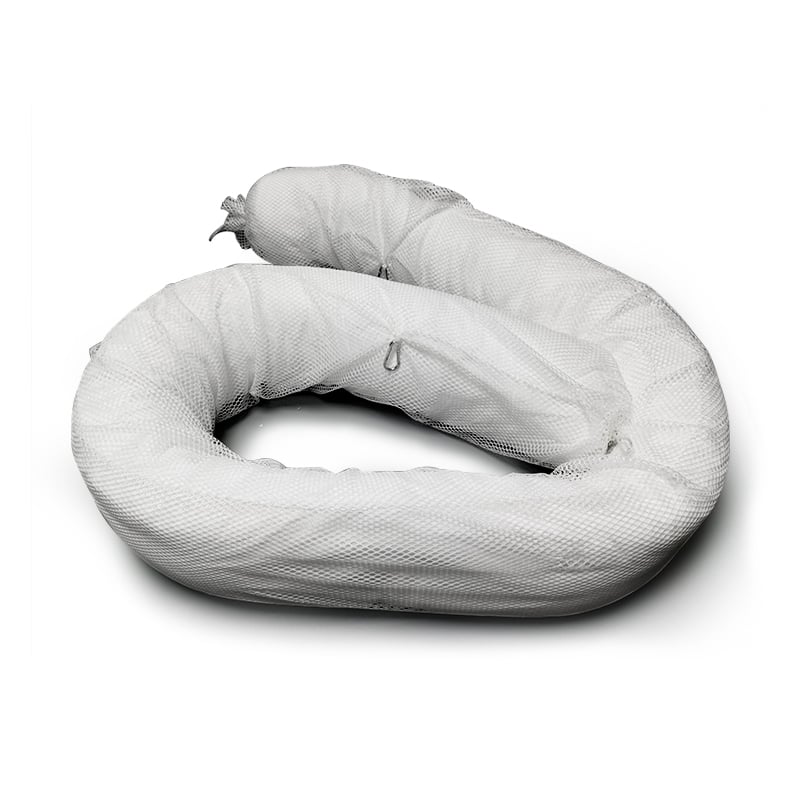
A primary benefit of floating debris barriers is that they are capable of efficiently capturing waste materials. These walls are placed strategically along rivers, lakes and coastlines where debris typically collects to create a dam that blocks garbage from traveling downstream. By trapping it in these hotspots, floating barriers prevent pollution from extending and damaging marine life.
Apart from the fact that they can keep waste from spreading, floating debris barriers are also simpler to install and maintain. They can be deployed rapidly in the places that need it most, offering an immediate fix to keep pollution at bay. Ongoing preventative maintenance like cleaning and checking are necessary to keep the barriers in good working order, catching debris and protecting the environment.
Floating debris barriers, while systems that have numerous benefits, are not without some common problems which must be resolved to ensure their performance. One problem is that debris can easily get caught in the barrier and lessen its trapping power. Solution: Our maintenance service* We regularly check and maintain to remove clogging objects, and to ensure resiliency of the obstruction.
The problem with the floating debris barriers is, however, that it involves a risk of damage from strong underwater currents, storms or heavy loads of debris. The best or nothing: Avoid this risk by incorporating high-quality materials and developing barriers that can survive the elements. Adding support structures or anchors to the walls can further help to strengthen them and prevent their collapse during difficult circumstances.
In addition, floating debris barriers must be correctly installed to work effectively. Strategically locating barriers in places where refuse congregates, for example around storm drains or in narrow waterways, can maximize the filtrating capacity of these traps. Frequent monitoring of barrier placement in response to variable water flow patterns can help maximize their performance and maintain environmental protection.
Floating debris barriers should be installed following the manufacturer’s installation instructions Careful attention should be paid when installing floating control barriers. Enusre that the barriers are firmly attached, so they don't float away or get lost if there is a strong tidal flow or bad weather. Check the barriers periodically for damage and replace or fix as needed, to be sure that they remain effective.
Marine debris barriers are intended to be an eco-friendly solution for safeguarding bodies of water against pollution. Constructed from heavy duty yet recycled materials these barriers will withstand anything that comes their way, including all weather conditions and persistent water exposure - with absolutely no harm caused to marine life. These barriers work to speadily collect and screen items at your shoreline, minimizing accumulation of floating debris in high traffic areas.
The main customers products to floating debris barrier, such as oils and natural gas industries, ports, hipping industry, maritime administrations, and engineering contractors. We export over 100 countries and have more than 20,000 clients worldwide.
The company is ISO14001 and IS09001 certified. CE, SGS and other certifications. It also has more than 20 patents such as floating debris barrier that are protected by independent intellectuals property rights. It is recognized as "Jiangsu Province High-tech Enterprise".
Jiahe's manufacturing centres covers an areas of approximately 20,000 square metres. Jiahe has 16 major products lines and over 200 models to satisfy all the needs of its clients. Jiahe has been floating debris barrier, and collaborated with several maritimes safety agencies, Sinopec, PetroChina, and CNOOC.
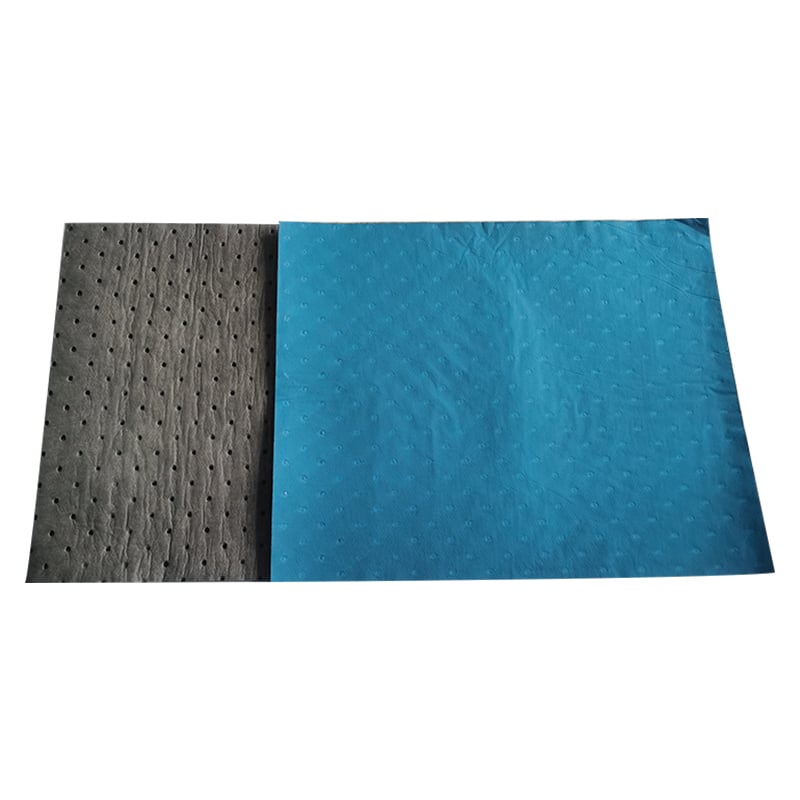
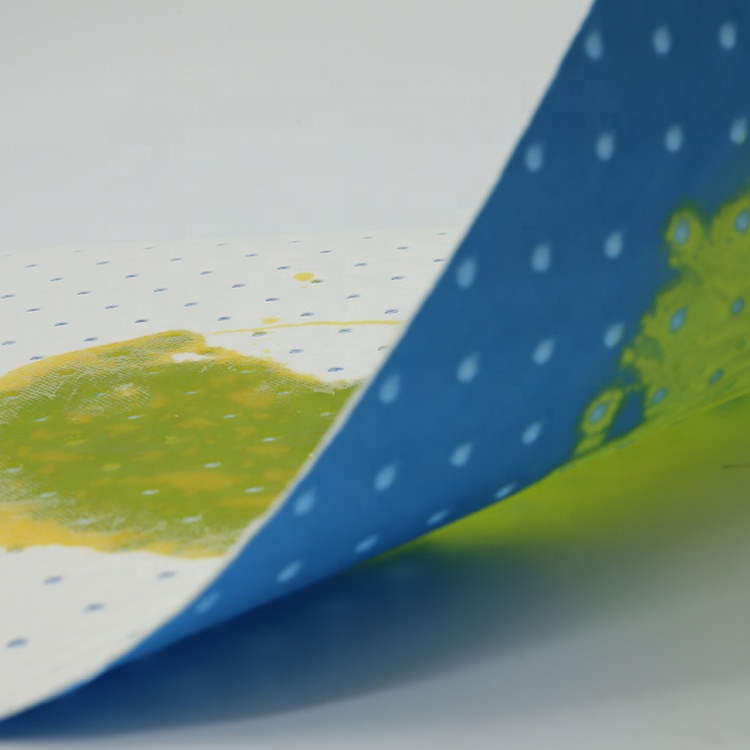
Jiahe has a variety of productions lines that specialize in the fields of oil absorbent material. yearly productions are up to over 3000 tons. We can clearly see the floating debris barrier and cost management in oils and chemical absorbing fields.