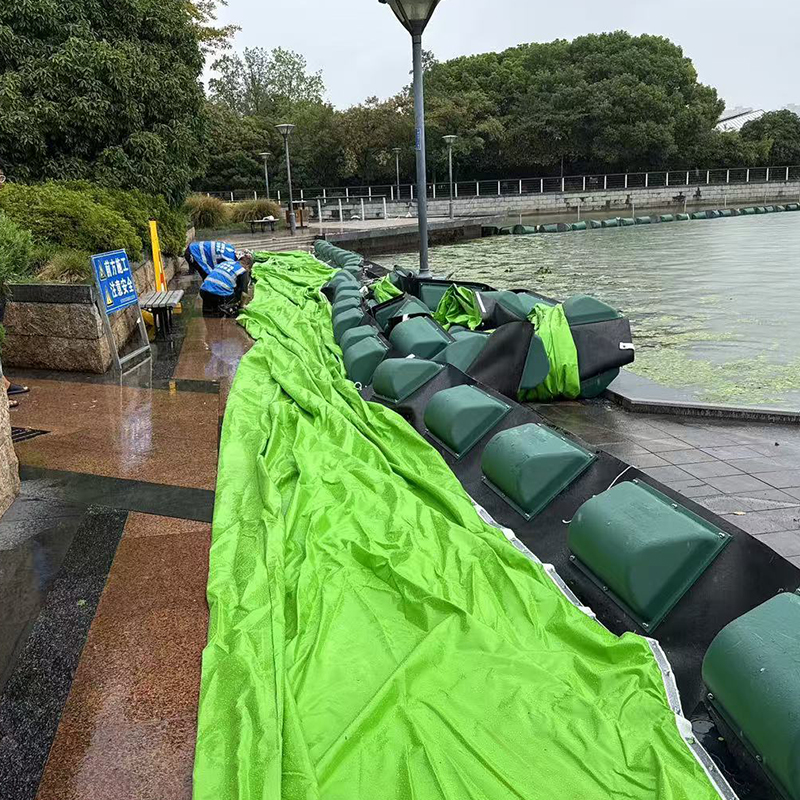
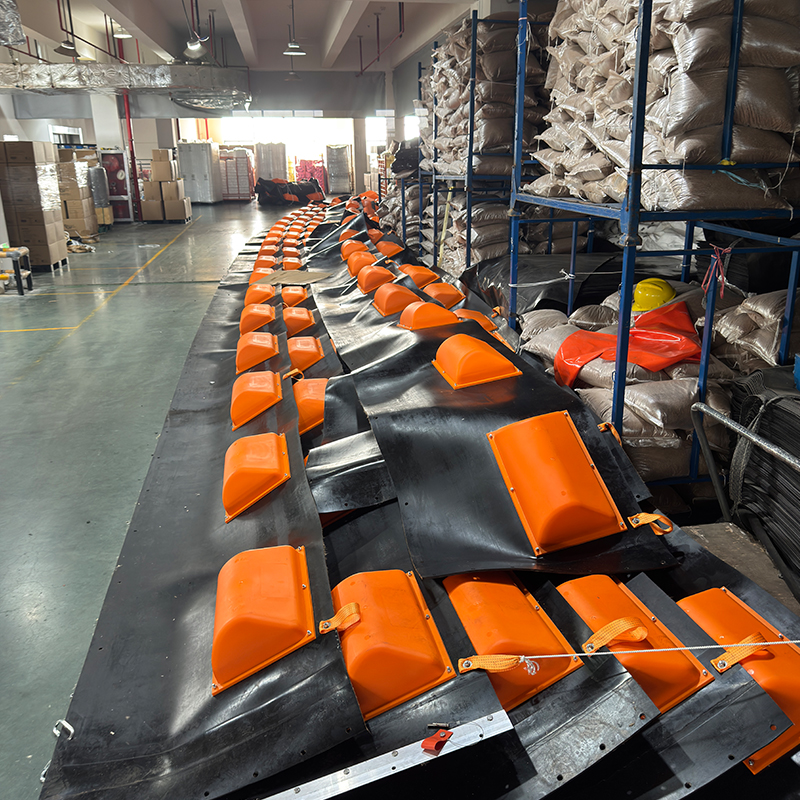
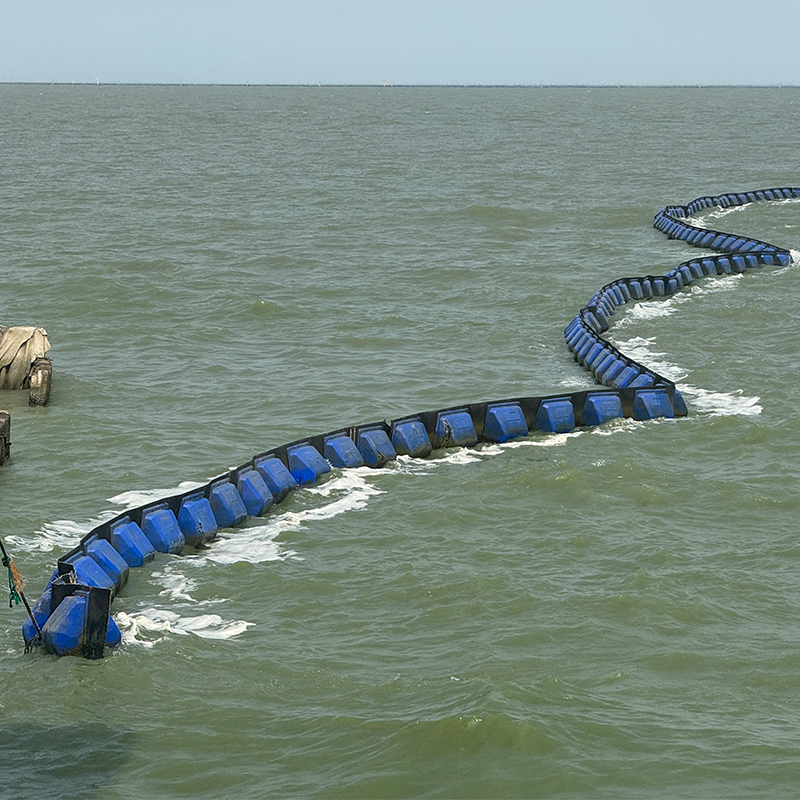
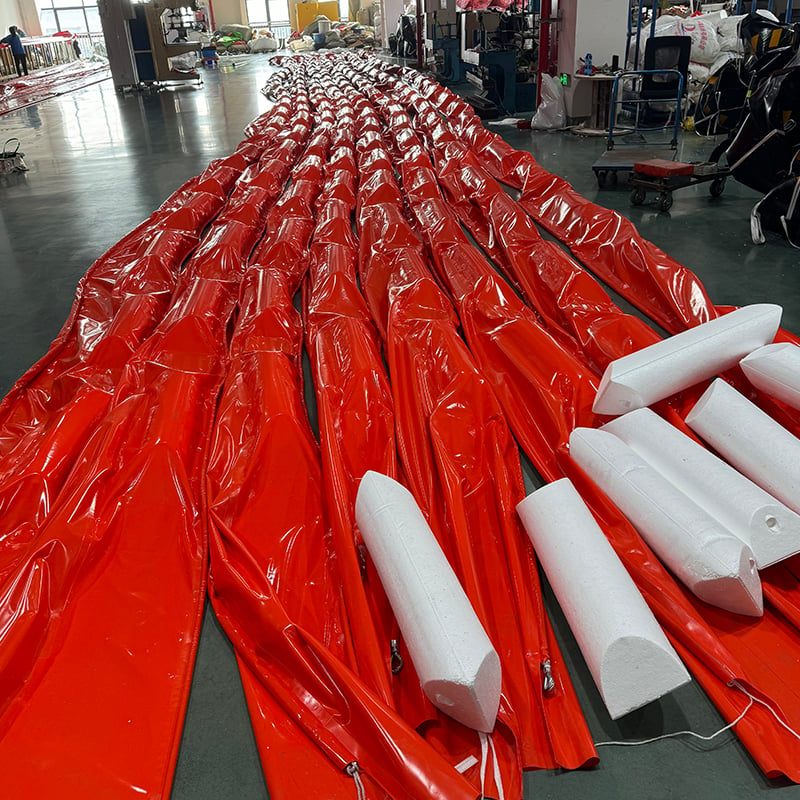
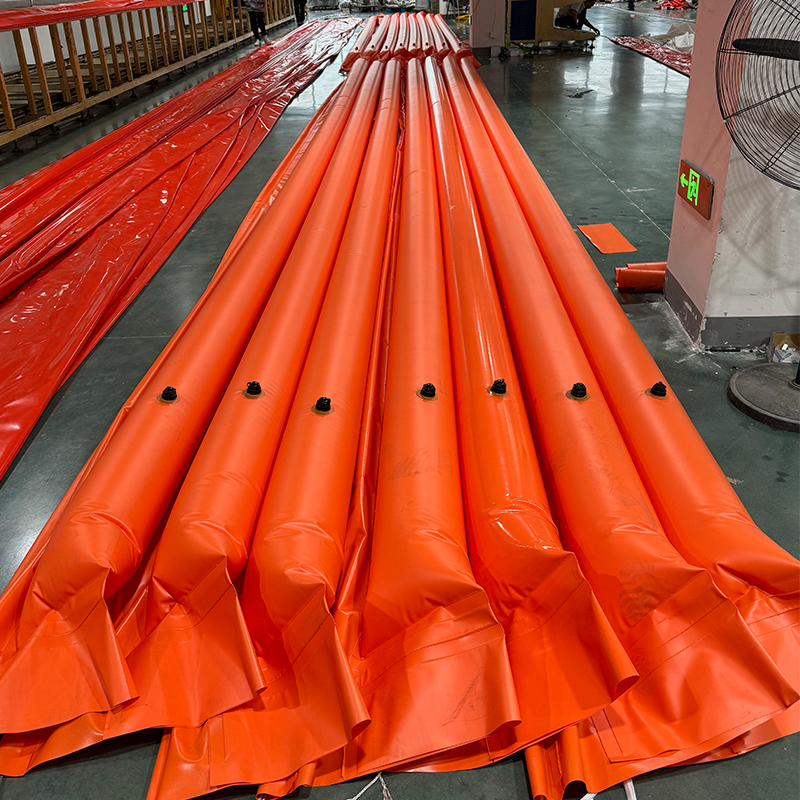
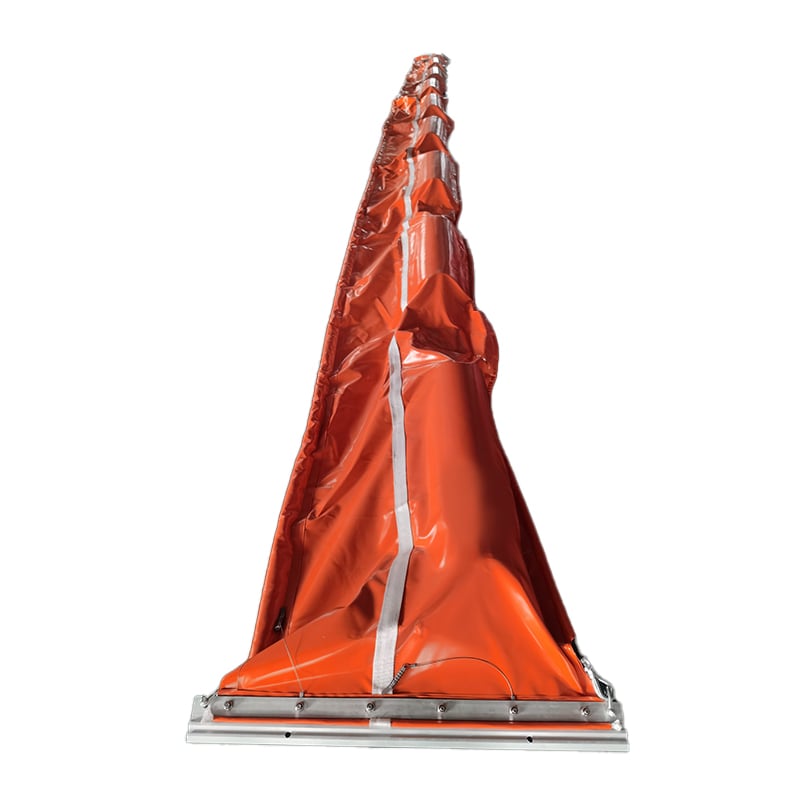
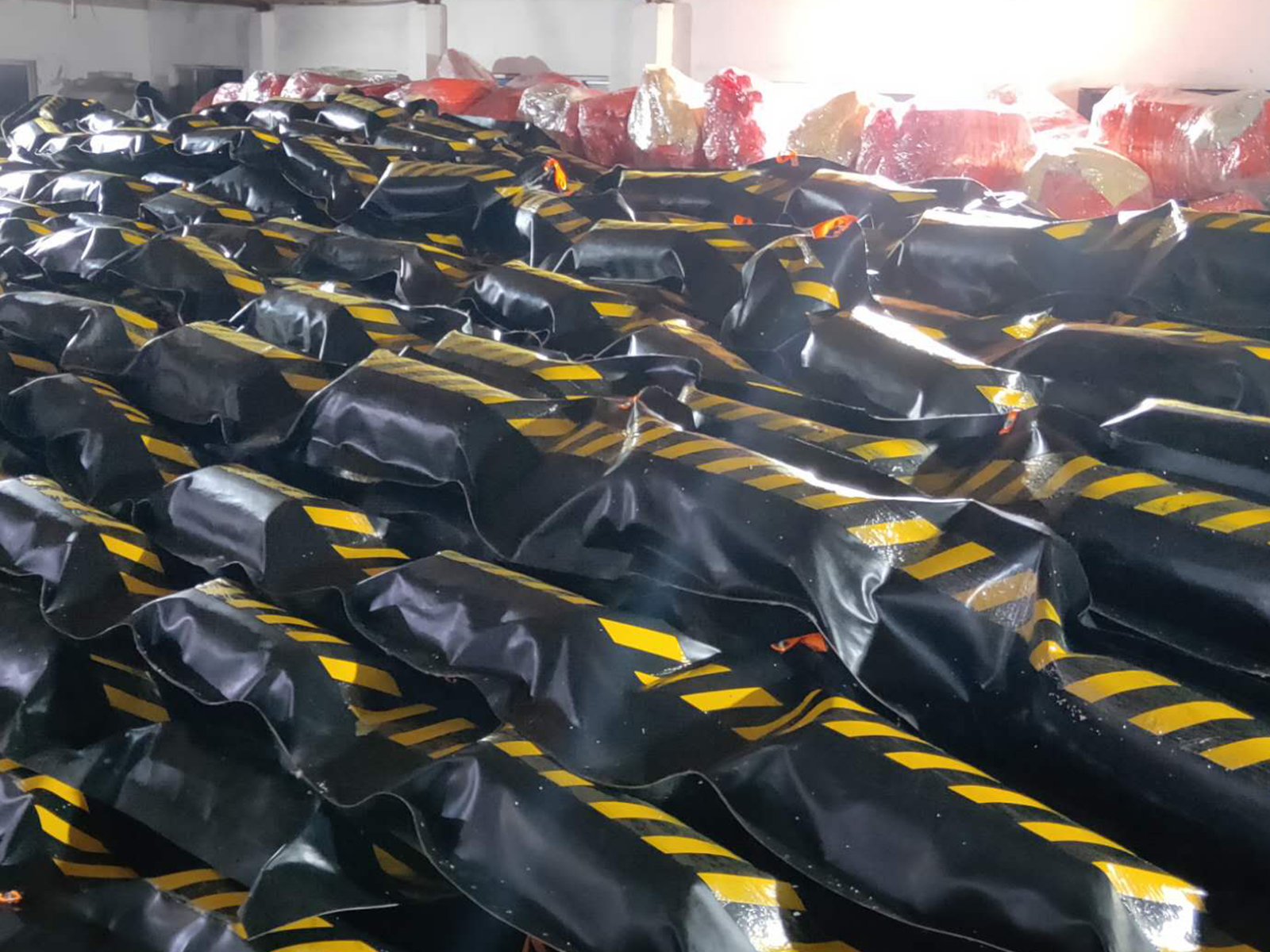
When an oil spill happens, it can be very bad for our oceans, rivers, and the animals that live there. An oil spill can happen in many ways, like when a ship crashes or when there is a leak in a pipeline. Cleaning up the oil quickly is really important to help protect the environment. One of the best methods to clean up oil spills is by using something called a spill containment boom. At Jiahe, we believe in using the right tools to make sure our waters stay clean and safe. Let's take a closer look at how to clean up oil spills effectively and how to choose the right boom for the job.
When cleaning up oil spills, using a boom is one of the most important steps. An oil spill containment boom is a floating barrier that helps to contain the oil, stopping it from spreading further. First, it’s key to act fast. The sooner you can put the boom in the water, the better. This helps to keep the oil close to where it spilled. After the boom is in place, workers can begin to collect the oil. They often use special tools like skimmers or absorbent pads. Skimmers are machines that suck up the oil from the water, while absorbent pads soak up oil like a sponge. This way, less oil is left behind to harm fish and birds. It’s also good to check the weather. If it’s windy or rainy, it can make cleaning harder, so planning for those conditions is smart. Workers need to wear protective gear like gloves and masks to stay safe from harmful chemicals. After cleaning, it’s important to dispose of the collected oil properly. This means taking it to a place that can handle waste safely. Finally, keeping track of what was done during the cleanup helps for future spills. This way, everyone can learn what worked best. At Jiahe, we always share tips and strategies to improve oil spill response and protect our environment.
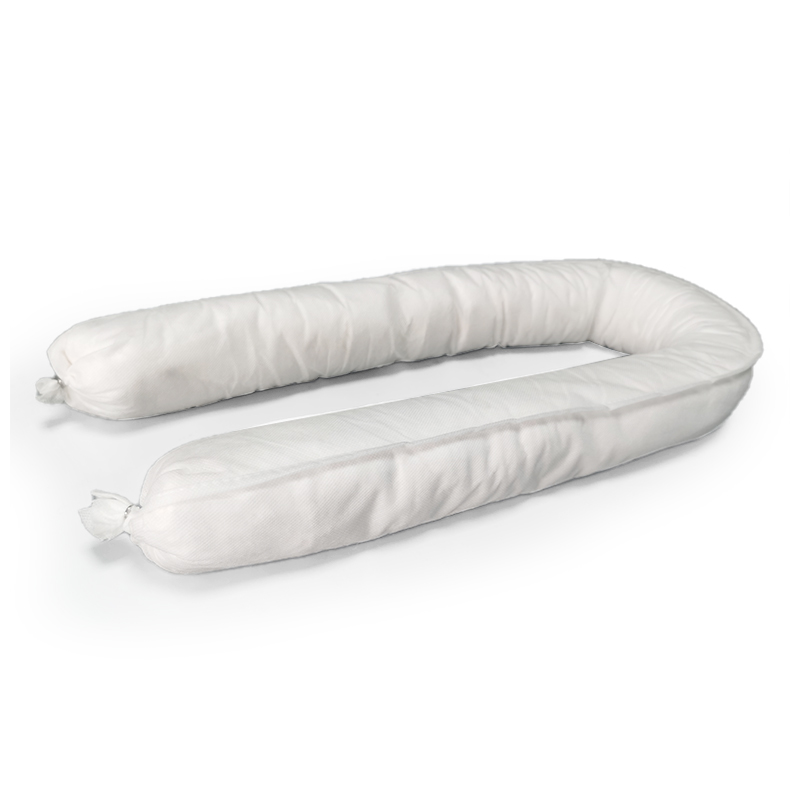
Choosing the right boom for an oil spill is really important. Not all booms are the same, and the type you pick can make a big difference in how well the cleanup goes. First, you have to think about the kind of oil that spilled. Some oils are thicker, while others are lighter. For thick oils, a heavy-duty boom works best because it can hold back the oil more effectively. On the other hand, for lighter oils, a more flexible boom can be used. The second thing to think about is where the spill happened. If it’s in calm water, you might need a different kind of boom compared to a spill in rough waters. For example, in rivers or oceans with waves, a boom that can handle strong currents is necessary. Third, you should consider how long you need the boom to last. Some booms are made for short-term use, while others can stay in place for a long time. It’s also important to look at the boom’s material. Some are made from plastic, while others are made from fabric. At Jiahe, we design booms that are durable and effective, so they can help with many kinds of spills. Finally, make sure to check the boom's size. A longer boom is often needed for bigger spills. By choosing the right boom, you can make a big difference in how quickly and effectively an oil spill is cleaned up.
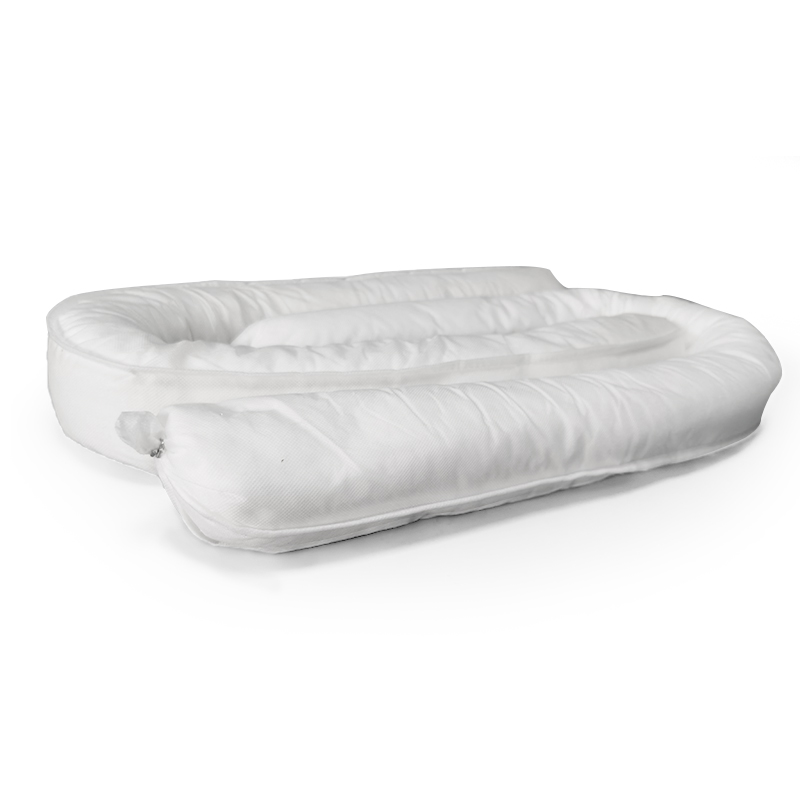
When there is an oil spill, quick cleanup is very important. The use of oil absorbing boom helps to contain the oil and make it easier to clean up. But how well the booms work can depend on several factors. First, the type of oil spilled matters. Some oils are thick and heavy, while others are light and spread easily. Thick oil can be trapped by booms better than light oil, which might slip underneath. Another factor is the weather. Wind and waves can make it hard for booms to stay in place. Strong winds can push the oil away from the booms, making it harder to collect. The location of the spill also plays a role. If the spill happens in a calm area, the booms can work better. But if it’s in a busy area with lots of boats and people, it can be difficult to keep the booms in the right spot. The skill of the cleanup team is very important too. If the team knows how to use the booms properly, they can do a much better job. At Jiahe, we believe in training our team well so they can handle different types of spills.
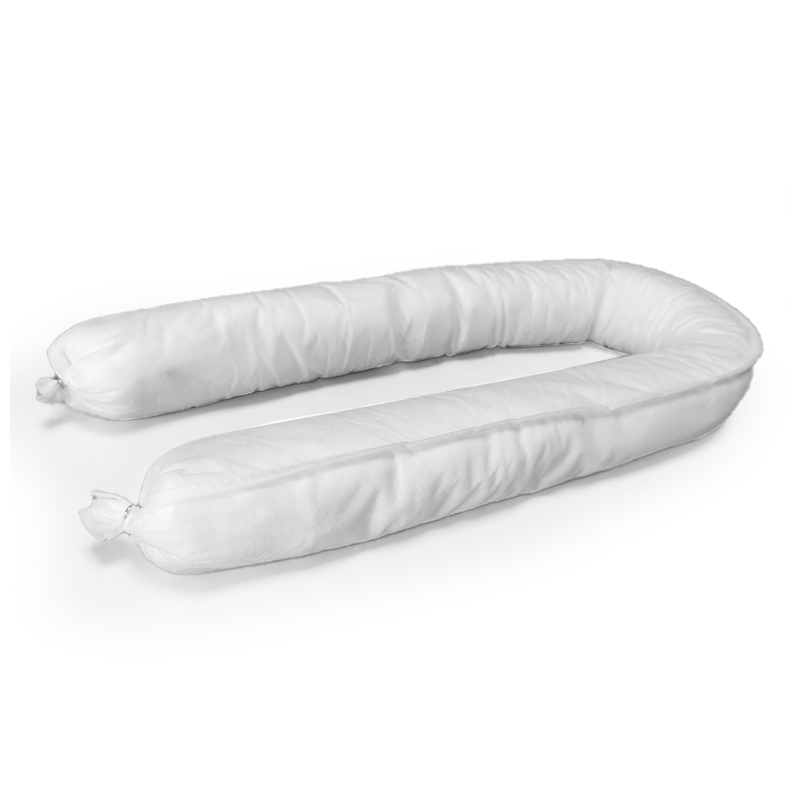
Making sure that everyone follows the rules during an oil spill cleanup is very important for safety and effectiveness. Compliance means that the team is following the right steps and using the booms correctly. First, it’s essential to have clear guidelines about what to do during a spill. These guidelines should be easy to read and understand. At Jiahe, we create simple manuals that explain every step of the cleanup process. Training is also a big part of compliance. The team needs to know how to set up and maintain the booms. Regular training sessions can help everyone remember what to do. It is also important to have safety checks in place. Before starting the cleanup, a supervisor can do a quick check to make sure everything is ready. This includes looking at the booms to make sure they are not damaged and that the team has all the right equipment. Keeping records is another way to ensure compliance. Writing down what was done, when it was done, and who was involved helps keep track of the cleanup process. This information can be useful later if there are any questions about what happened. Finally, communication is key. The team should always talk to each other about what they see and what needs to be done next. If everyone is on the same page, the cleanup can go much smoother. Following these steps can help ensure that the oil spill cleanup is done properly and safely.
Jiahe has a manufacturing facility which covers an areas of 20000 square meters. Jiahe offers Inflatable life vest and more than 200 distinct models to meets all the needs of its customers. Jiahe has more than 20 patents. It has also worked in partnerships with Sinopec PetroChina as well as CNOOC.
The business has been ISO14001 as well as IS09001 certified. CE, SGS, and other certifications are also availables. There are also over 20 patents on oil spills preventions products that have Inflatable life jacket vest. It is recognized as "Jiangsu Province High-tech Enterprise".
Jiahe is a manufacturers of production lines that are Oil skimming. The annual productions can be approximately 3000 tonnes. We have obvious advantages of brands technology and cost controls in the chemical absorbing and oil fields.
The most important customers Oil skimming are professionals clients like oil and natural gas industries, ports, hipping industry maritimes administration, as well as engineering contractors. We exports products to more than 100 countries, and we serve more s20,000 customers worldwide.