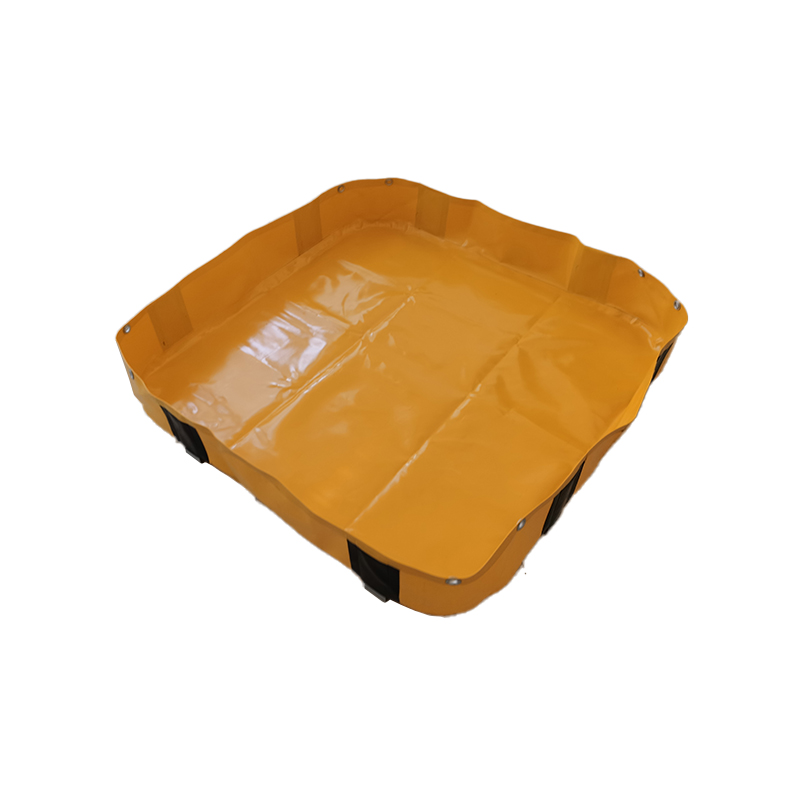
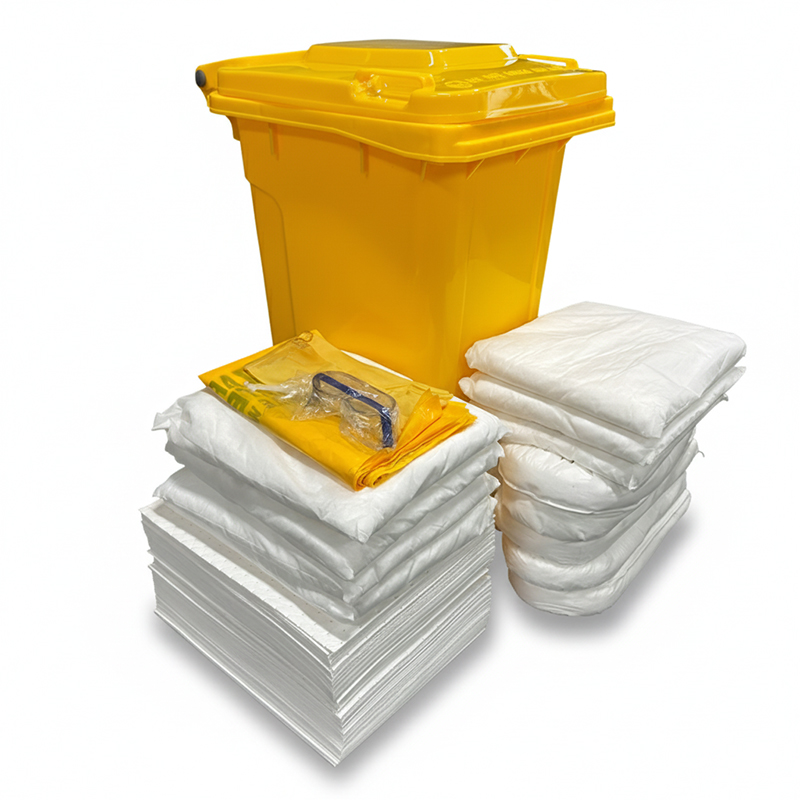
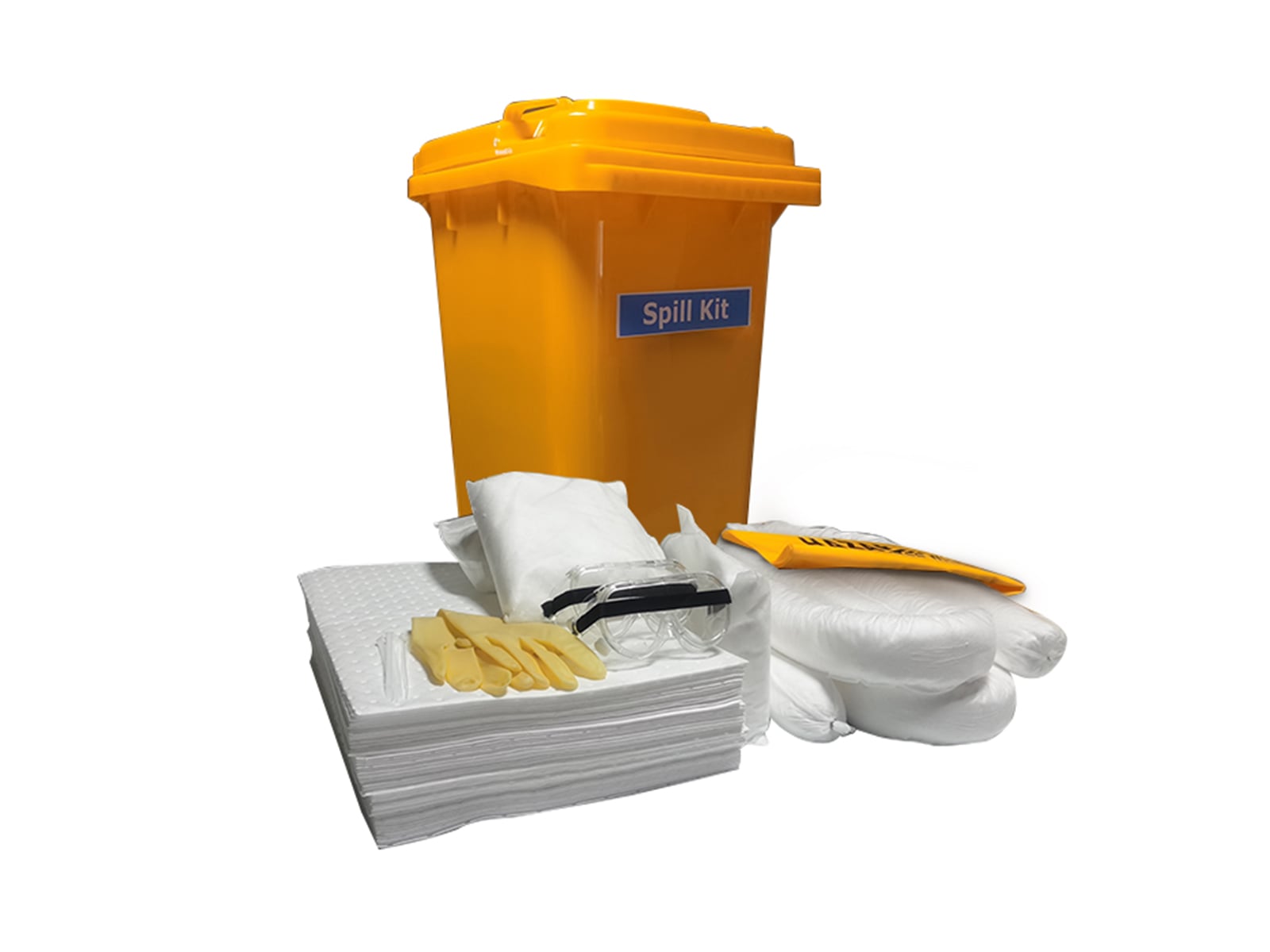
An oil spill is when oil accidentally leaks into the water, land, or air. This can happen when oil tankers crash, pipelines break, or during drilling. Oil spills can harm animals, plants, and even people. They make the environment dirty and can cause long-term problems. If an oil spill happens, it is important to act quickly to clean it up. This is called oil spill containment booms and oil spill response. Companies like Jiahe make special tools and products to help with these cleanups. Fast action can save wildlife and keep our planet healthy.
When a spill is reported, the first step is to assess the situation. This means figuring out how big the spill is and what type of oil is involved. Different oils may need different cleaning methods. Next, containment is crucial. This means using barriers or booms to stop the oil from spreading to other areas. After that, cleanup can begin. Tools like oil spill absorbent pad should be used to soak up the oil. It’s important to dispose of the waste properly. You can’t just throw it in the trash; it has to be handled safely.

Choosing the right oil spill response services is very important. First, think about what you need. Are you dealing with a large spill or a small one? If it's a big spill, you might need a company that has a lot of experience. Look for companies that have helped with big spills before. You can ask them about their past work. Jiahe is one such company that has a strong reputation for handling oil spills effectively. For environmental management agencies and industrial centers, reviewing equipment logs alongside commercial wholesale pricing metrics is a practical approach to find the best deals on heavy-duty containment systems.

Next, check if the company has the right tools and equipment. They should have things like special boats, pumps, and absorbent materials to clean up the oil. Also, see if they have a team of trained workers who know how to manage spills safely. It's important that the workers have the right training. They need to know how to protect themselves and the environment while cleaning up the oil. Jiahe makes sure their team is well-trained and ready for any situation, aligning their services with competitive wholesale pricing structures in their oil spill absorbents so that response networks can mobilize without breaking budgets.

When dealing with oil spills, there are some common problems that can happen. One major issue is the weather. Rainy or windy weather can make it harder to clean up the oil. If it rains, the oil can spread out more, making it difficult to contain. To address this, it’s important to have a plan in advance. Jiahe recommends having special tools ready that can work in tough weather conditions. For example, using absorbent pads that can soak up oil even when wet can help a lot. Procurement managers who buy containment gear in bulk often unlock hidden tiers of wholesale pricing, helping communities secure the best deals on the vital supplies needed for immediate emergency readiness.
The major customers of oil spill preventions products are Inflatable life jacket vest such as oils and natural gas industries ports, the hipping industry maritime administrations, as well as engineering contractors. We serves more 20,000 clients worldwide and exports over 100 countries.
Jiahe has a variety of productions lines that are specifically designed in oil-absorbing materials. The annual production amounts is between 3000 and 5000 tons. Spill kit and brand technology are the obvious advantages of our company in the chemical and oils absorbent industry.
The company has been awarded IS09001 and Chemical spill kits. CE, SGS and other certifications, and has more than 20 patents, such as oils spill control products covered through independent intellectuals property rights. Recognized as "Jiangsu Province High-tech Enterprise".
Jiahe's manufacturing centers encompasses an areas of around 20,000 square metres. Jiahe offers 16 major series of products and more than 200 models to Eyewashing station. Jiahe has obtained more than 20 patents and cooperated with multiple maritimes safety bureaus, Sinopec, PetroChina, and CNOOC.