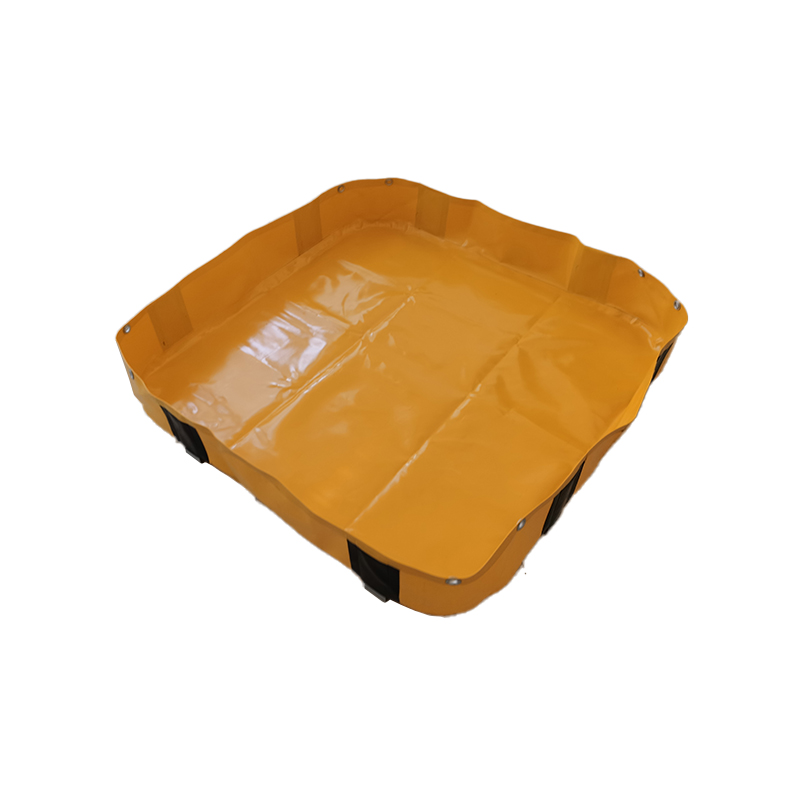
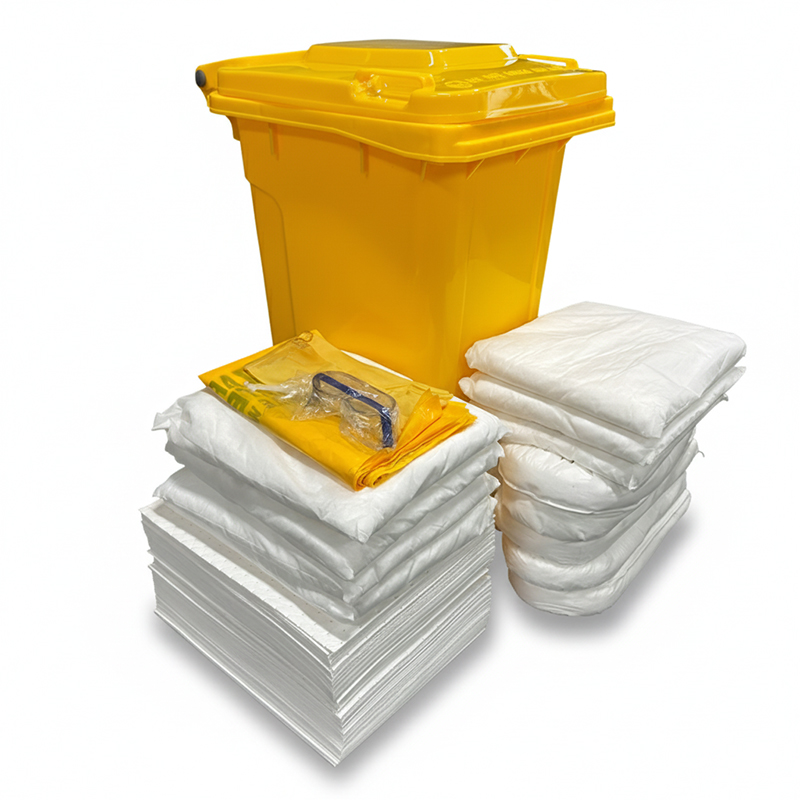
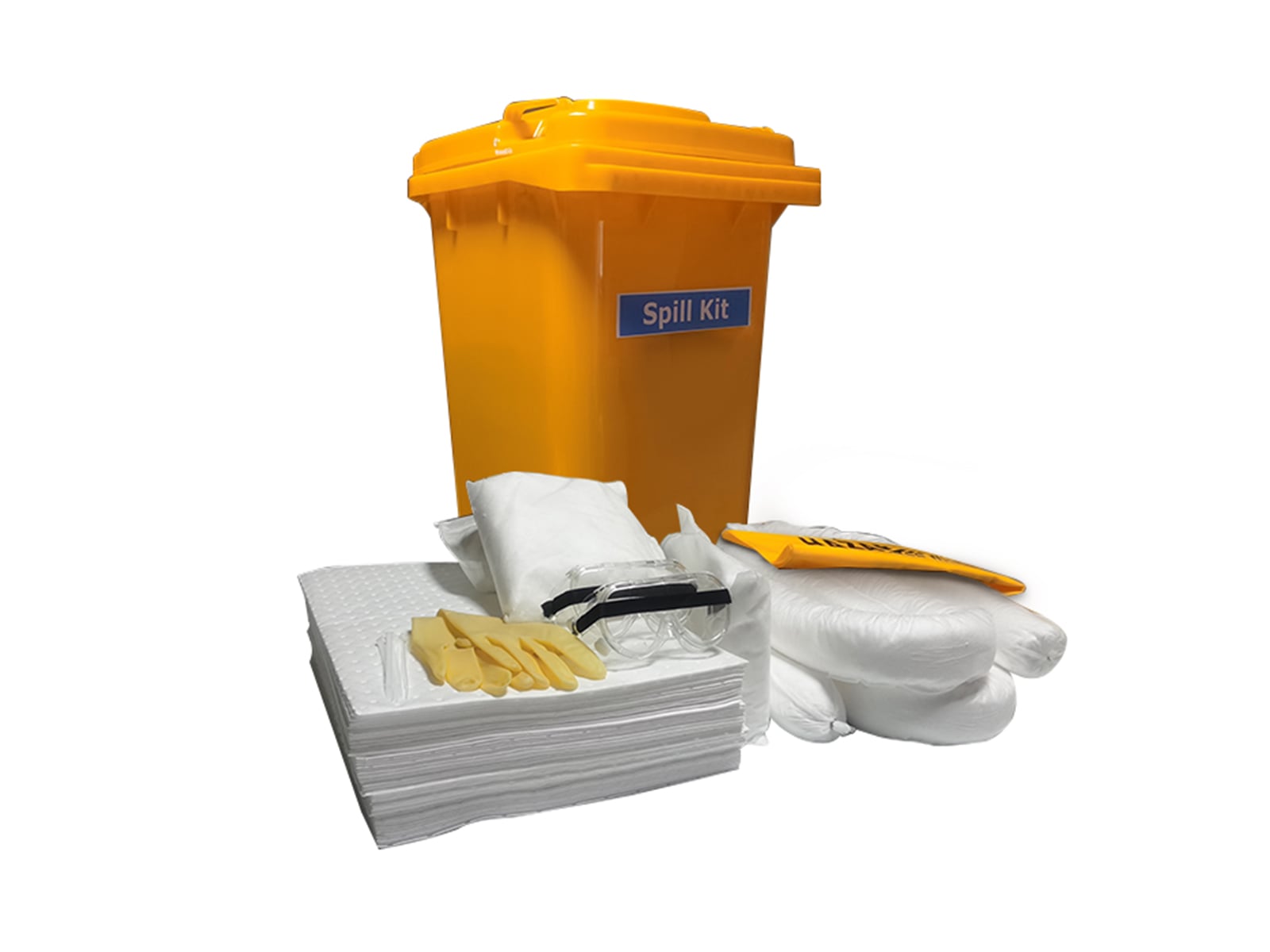
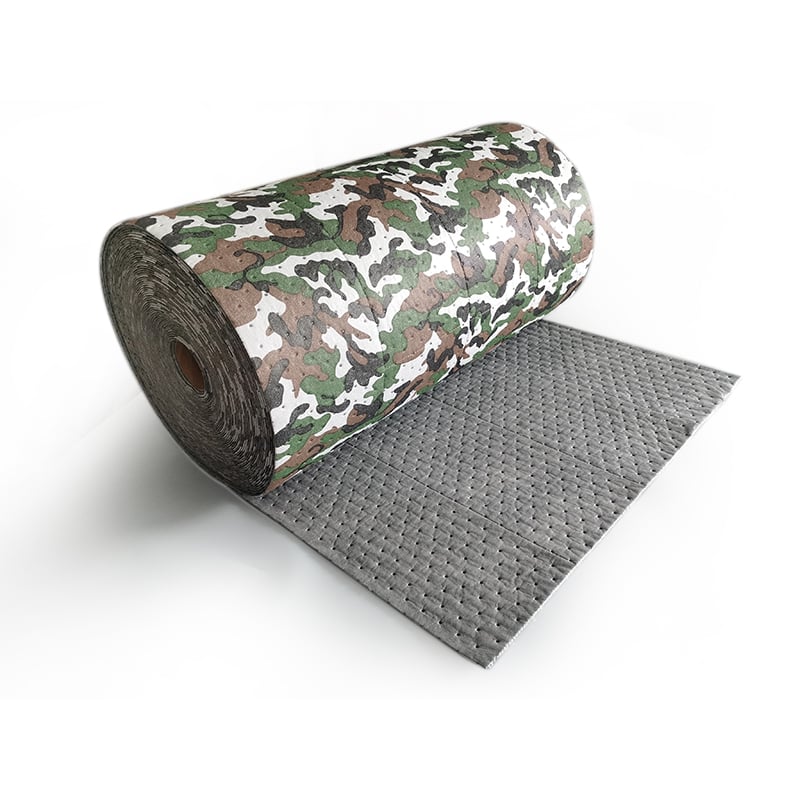
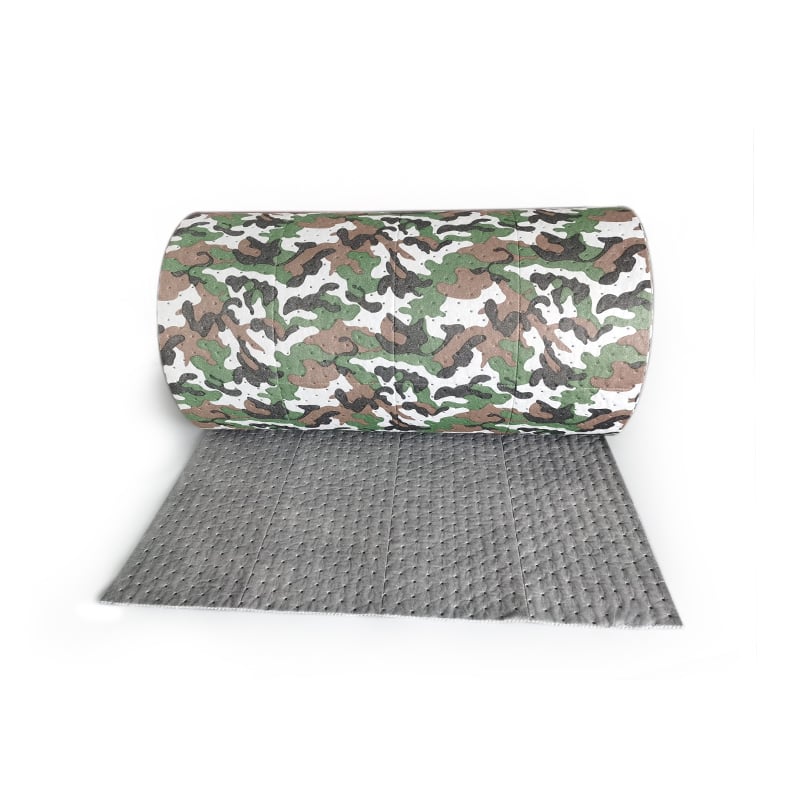
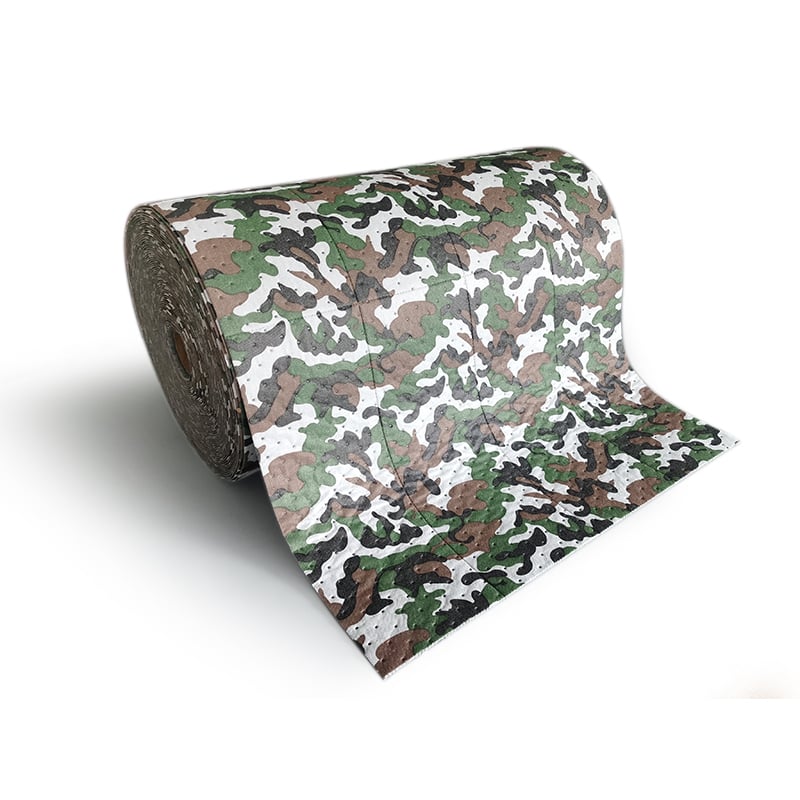
There are several ways to clean up oil spills, and each method has its own strengths. One common method is using absorbent materials. These materials soak up the oil like a sponge. They can be made from natural fibers like straw or synthetic materials like polypropylene. This method is great for managing smaller or localized spills. Another method is called skimming. Skimmers are machines that float on the water and scoop or suction up the oil from the surface. The oil spill kits work best on concentrated, manageable patches of oil before waves disperse them.
When oil spills happen in the ocean, they can affect many living things. Birds, fish, and other animals can get sick or even die from contact with the oil. This makes it very important for cleanup teams to work quickly. Workers need to move fast to minimize environmental damage. To overcome these challenges, teams should have good plans and rapid-response protocols ready before an oil spill happens. For example, oil spill containment boom manufacturers and emergency responders can prepare by practicing cleanup drills. Organizations can also make sure they have specialized marine containment and recovery equipment, like skimmers and oil-absorbent materials, ready for instant deployment.
Using bioremediation and natural solutions also helps the environment recover faster. When we rely solely on heavy chemicals to clean oil spills, they can sometimes add toxicity and harm the ecosystem even more. However, eco-friendly and natural methods help avoid this secondary risk. It’s also important to strictly monitor how well these methods are working. Scientists can check the area over time to see if the oil is disappearing and if the natural breakdown processes are doing their job. In this way, using nature alongside specialized containment can lead to healthier ecosystems and a cleaner planet.
When an oil spill happens, it’s crucial to know if the cleanup is working well. To evaluate how effective oil spill containment booms are, we can look at a few important factors. First, we need to check how much oil has been successfully removed from the environment. Cleanup teams can take regular samples of the water and soil around the spill site. By testing these samples, we can accurately measure how much oil is left and verify if the cleanup methods are working.
Another way to evaluate effectiveness is to see how well the local wildlife is recovering. Are the fish swimming safely in the water? Are the birds coming back to the beaches? By observing these animals, we can understand if the environment is healing. It's also important to talk to the local community. People living nearby can share their views and experiences about the cleanup process. Their feedback can help us know if the cleanup is making a positive, long-term difference.
The company has passed IS09001 and ISO14001 certifications. Oil skimming, SGS and other certifications. The company has more than 20 patents including as oil spills prevention products covered by intellectual property rights that are independents. Accredited as "Jiangsu Province High-tech Enterprise".
Jiahe has a manufacturing plants with a space of 20000 squares meters. Jiahe is home to 16 major series as well as more than 200 models of products to satisfy the varied requirements of its customers. Jiahe has been granted more than 20 patents and has Chemical resistant nitrile gloves, Sinopec, PetroChina, and CNOOC.
Jiahe has a variety of productions lines that are Oil spill kits. The annuals production is approximately 3000 tonnes. Brand technology and costs control are the main advantages we have in the oils and chemical absorbent industry.
The major customers of oil spill preventions products are Inflatable life jacket vest such as oils and natural gas industries ports, the hipping industry maritime administrations, as well as engineering contractors. We serves more 20,000 clients worldwide and exports over 100 countries.